What changed in one country, and who is affected?
United Kingdom / ANALYSIS DESK
The UK, examined closely
What the evidence shows
Evidence-led reporting on Britain’s electricity system, industry and changing public policy.
Economics Public policy Primary documents
GLOBAL SIGNAL MONITOR◉ VERIFIED-SOURCE EDITION
US
KR
DE
JP
AU
21 LIVE COUNTRY DESKSINDUSTRY / ENERGY / CIVIC FINANCE
EDITORIAL STANDARD
No unsourced market claims
LOCAL DESKSOriginal issues, not mirrored translations
TRANSPARENCYOfficial records + stated uncertainty
UK ISSUE BRIEFINGS
UK issue briefings
Every briefing states its source, data period and what the numbers do — and don't — prove.

FEATURED INVESTIGATION / EN-GB
£500,000
Maximum home price for qualifying first-time buyer SDLT relief from April 2025Stamp duty in England in 2026: why a £500,001 home can cost far more tax than £500,000
For eligible first-time buyers, SDLT is zero on the first £300,000 and 5% on the next £200,000, but the relief disappears entirely once the purchase price exceeds £500,000. Scotland and Wales use different taxes. We investigate five real reader discussions and verify answers against HMRC, including tax rounding.
33 min readRead full investigation
 Archive: Nigel Mykura · CC BY-SA 2.0
United Kingdom / Renting, Housing & Legal Rights
England’s Renters’ Rights Act in 2026: what really changed for tenants and landlords?
Section 21 no-fault evictions ended for most private assured tenancies on 1 May 2026. Rolling contracts, rent increases and two months’ tenant notice have practical financial consequences.
2026-10-15 · 26 min read
 Archive: SpicyPhoto · CC0 1.0
United Kingdom / Household Energy & Bills
The UK energy price cap rose 4% in October 2026 — why your actual bill can rise by a different amount
The £1,723 headline is not a fixed household charge or a promise that every bill increases by exactly 4%. Gas, electricity, standing charges, tariffs and regional rates all matter.
2026-10-15 · 22 min read
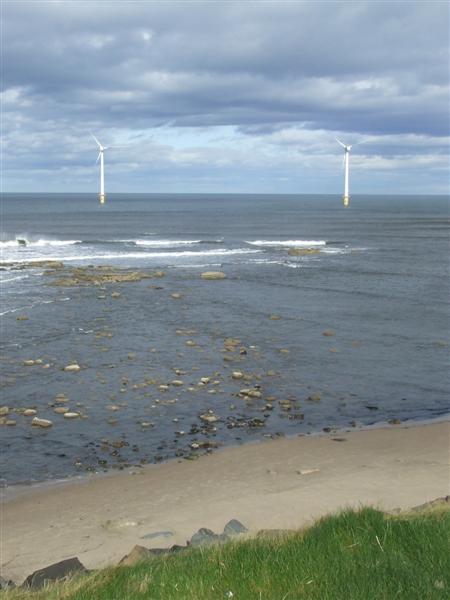 Archive: Michael Batey · CC BY-SA 2.0
United Kingdom / Energy & Public Policy
Britain’s clean-power target is really a grid and delivery challenge
Generating more renewable power is only one part of the 2030 transition. Transmission capacity, connection queues and the difference between annual energy and hourly reliability are just as important.
2026-10-15 · 26 min read
LOCAL QUESTION / GLOBAL INFRASTRUCTURE
Different countries. Different questions.
A separate editorial desk for each country and language. A worldwide event is examined through local consequences.
United StatesEnglish · US
Read now United KingdomEnglish · UK
Read now AustraliaEnglish · Australia
Read now 대한민국한국어 · 대한민국
Read now DeutschlandDeutsch · Deutschland
Read now 日本日本語 · 日本
Read now भारतहिन्दी · भारत
Read now BrasilPortuguês · Brasil
Read now IndonesiaBahasa Indonesia
Read now FranceFrançais · France
Read now CanadaEnglish · Canada
Read now NederlandNederlands · Nederland
Read now SingaporeEnglish · Singapore
Read now Aotearoa New ZealandEnglish · New Zealand
Read now MéxicoEspañol · México
Read now PolskaPolski · Polska
Read now ItaliaItaliano · Italia
Read now South AfricaEnglish · South Africa
Read now United Arab EmiratesEnglish · UAE
Read now PhilippinesEnglish · Philippines
Read now EspañaEspañol · España
Read now Support for more world languages is built into the editorial model. A language goes into the searchable sitemap only after it has a distinct, source-checked local investigation.
See languages →THE COUNTRYWHY METHODHeadlines tell you what happened.
Headlines tell you what happened.
We ask why.
Budget tables, regulatory filings, national statistics and official transcripts.
Disclose what is measurable and which interpretations remain disputed.
Update the analysis when a budget passes, a rule changes or new figures arrive.